Nepal's Real Estate Market Shows Signs of Steady Recovery Amid Growing Investor Interest
12th Jun, 2026

Loan Growth Signals Strong Demand
Between fiscal year 2020–21 and 2024–25, Nepal's real estate loans grew by 72.41 percent and residential loans by 61.55 percent — reflecting strong and sustained demand in the sector, according to the central bank's first-ever real estate report.
However, government revenue from the sector tells a more complex story. Revenue from real estate peaked at Rs 23.7 billion in the first quarter of 2021–22, declined sharply to Rs 8.2 billion in the first quarter of 2022–23, and has since shown a modest recovery, reaching around Rs 10–15 billion in the last fiscal year. Kathmandupost
Seasonal Patterns and Regional Shifts
Real estate transactions in Nepal follow a seasonal pattern, with activity lowest in the first quarter and peaking in the third and fourth quarters. By total area transacted, Madhes Province recorded the largest share, followed by Koshi and Lumbini, while Karnali and Sudurpashchim registered the least activity.
Kathmandu Valley: A Buyer's Window?
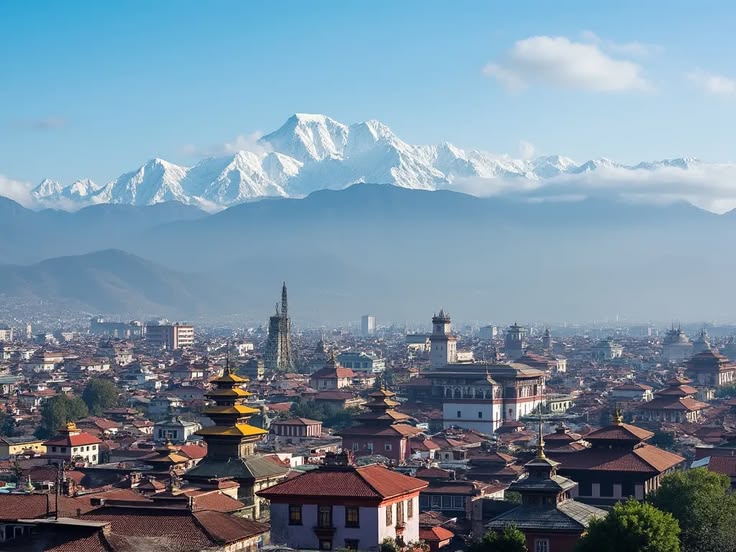
As of 2026, the median land price per aana in the Kathmandu Valley sits at around NPR 38.5 lakh — down from the 2023 peak of NPR 49.5 lakh per aana. Analysts suggest this correction has created a rare entry opportunity, particularly for end-users and long-term investors.
Outer-ring infrastructure zones like Budhanilkantha, Imadol, and Bhaktapur are seeing realistic annual appreciation of 5–7%, making them attractive for buyers planning to hold for at least five years.
A Maturing Market
Nepal's real estate market has evolved rapidly over the past decade — once dominated by small-scale land trading and personal home construction, it has now matured into a structured investment sector with clear legal frameworks, organized developers, and a growing appetite from both local and Non-Resident Nepali (NRN) investors.
By institutionalizing regular reporting and advancing toward a property price index, the NRB seeks to move beyond simple transaction counts toward a more sophisticated understanding of Nepal's real estate dynamics, ultimately contributing to a more stable and resilient property market in the years ahead